
Cart
0
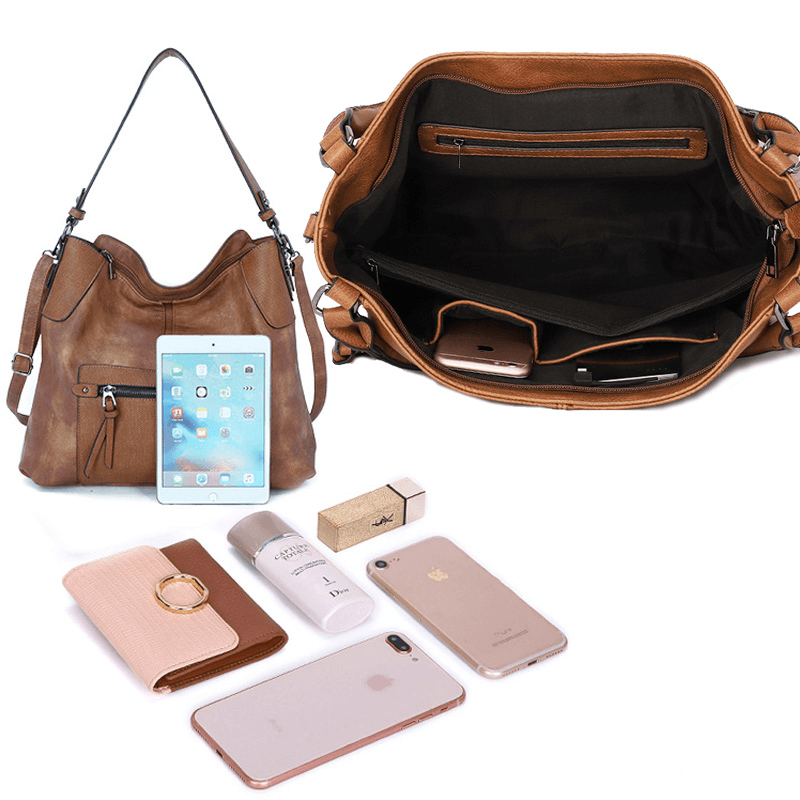
A good bag collection is not just about quantity, but about order, usefulness, and proper care. Even if you only have a few bags, once they are stored incorrectly, it becomes difficult to find the right one, they might lose their shape, get dirty, or be forgotten in the closet. On the other hand, when your bag collection is intelligently organized, each bag gets its place, is better preserved, and becomes a truly useful part of your wardrobe.
Bags are more delicate items than they seem. A leather bag needs different storage than a fabric bag. A straw bag doesn't like compression. A knitted bag needs protection from snags and stretching. A small evening bag needs a protected spot, and a large bag needs support to maintain its shape. Therefore, organizing a bag collection is not just an aesthetic matter – it's a way to protect your investment, extend the life of your bags, and enjoy them for a long time.
In the collections at Chic Avenue, you can find a wide variety of women's bags: leather bags, designer fabric bags, straw bags, knitted bags, small bags, large bags, shoulder bags, and evening bags. In this guide, we will go over practical tips for organizing, storing, and maintaining your bag collection perfectly.
Why is it important to organize your bag collection?
When bags are not organized, several things happen. First, it's hard to see what you actually have. A bag deep in the closet or under a pile of clothes is simply forgotten. Second, bags that are crammed together can get wrinkled, lose their shape, get scratched, or be damaged. Third, a lack of order causes you to repeatedly use the same bag, instead of enjoying all the options you have.
Proper organization allows you to see all your bags at a glance, quickly choose the right bag for any occasion, and keep each bag in better condition. When each bag is in its proper place, it's easier to use, clean, switch between bags, and create more varied looks.
This is especially important if you have several types of bags: a daily women's bag for everyday use, a small bag for evening, a large bag for work, a straw bag for summer, and a knitted bag for special looks. Each of them has a purpose, and when they are organized correctly – they truly serve you.
Step One: Sorting the Collection by Use
Before you start organizing, it's a good idea to sort all your bags by use. Take all your bags out of the closet, drawers, and shelves, and place them in one spot. This way, you can see the complete collection and understand what you truly have.
Divide the bags into groups: everyday bags, work bags, evening bags, large bags, small bags, seasonal bags, and special bags. This will help you understand which bags you use frequently, which bags are reserved for events, and which bags might no longer suit your style.
For example, bags from designer fabric bags or a fabric shoulder bag can go into the everyday group. A leather evening bag or a small leather bag will fit into the going-out and events group. Straw bags can go into the summer and vacation group.
Step Two: Deciding What Truly Stays
Good organization also begins with deciding what you don't need. If you have a bag you haven't used in a long time, it's worth asking why. Is it uncomfortable? Too small? Too big? Doesn't match your clothes? Worn out? No longer your style? Not every bag has to stay in your collection just because it exists.
A smart bag collection should contain bags you truly love and use. If a bag no longer suits you, you might consider donating it, repairing it if it's important to you, or removing it from your wardrobe. This way, you make space for bags that truly serve you.
The goal is not to end up with a huge collection, but with a precise one. A comfortable everyday bag, an elegant bag, a small evening bag, a large bag for busy days, and a seasonal bag can suffice for many situations. If you want to fill any gaps, you can later check out new bags or bags on sale.
How to Store Bags Without Damaging Their Shape?
One common mistake is to throw bags into the closet on top of each other. This might seem convenient at the moment, but over time it causes bags to lose their shape. Large bags get crushed, small bags get folded, straw bags get distorted, and knitted bags can stretch or get caught on other items.
To maintain their shape, it's advisable to store bags upright whenever possible. Structured bags, like leather bags, should be gently filled with soft paper, clean fabric, or a light fabric bag. The goal is to provide internal support for the bag, not to cram it.
Softer bags, like designer fabric bags, can be kept gently folded only if the material allows, but it's best not to create a sharp crease. Straw bags and knitted bags should be stored without pressure on them, so they don't lose their natural structure.
Storage by Material: Leather, Fabric, Straw, and Knit
The bag's material determines how it should be properly stored. Leather bags need a dry, shaded, and ventilated place. It's not advisable to leave them in direct sunlight or a damp place. It's recommended to store them with internal support to maintain a clean and elegant structure.
Designer fabric bags need a clean and dry place. If they are in daily use, it's a good idea to dust them occasionally and make sure there are no stains before putting them back in the closet. A fabric bag left dirty can absorb odors or stains over time.
Straw bags require particularly delicate storage. Do not compress them, do not place weight on them, and do not leave them in a damp place. Knitted bags need protection from snags and sharp objects, so it's advisable to store them separately or inside a breathable fabric bag.
How to Arrange Bags by Frequency of Use?
One of the best rules for organizing a bag collection is to arrange them by frequency of use. The bags you use most often should be the most accessible. Bags for events, seasonal, or special occasions can be in a more protected, but still organized and clear, place.
An everyday bag, like a women's everyday bag, should be in an easy-to-reach spot. If you use a shoulder bag frequently, keep your fabric shoulder bag or leather shoulder bag on the front shelf.
Evening bags, like a leather evening bag, can be stored in a box or on an upper shelf, protected from dust. Seasonal bags, like a straw summer bag or a straw beach bag, can be stored together until the appropriate season.
Using Boxes, Dividers, and Fabric Bags
To maintain order, you can use open boxes, shelf dividers, baskets, or breathable fabric bags. The goal is to separate the bags so they don't rub against each other, get crushed, or lose their shape. It's important to avoid sealed plastic bags, as they can trap moisture.
Small bags can be stored in a soft box or a drawer with dividers. Large bags should be placed on a higher shelf. Delicate bags, such as straw bags or knitted bags, should be placed separately, without pressure on them.
If you have a large collection, you can organize it by categories: everyday bags, evening bags, summer bags, work bags, and special bags. This makes it easier to find what you need exactly when you need it.
How to Keep Each Bag Organized Inside?
Organizing your bag collection doesn't end on the shelf. The inside of each bag also needs to be kept in order. A bag left full of receipts, coins, makeup, wrappers, and small items quickly becomes messy, heavy, and dirty.
The solution is to empty the bag after use or at least once a week. Remove receipts, papers, unnecessary items, and anything that doesn't need to stay in the bag. If you're switching bags, don't leave things in the old bag. This way, you won't forget items and you'll keep your bags cleaner.
It's a good idea to use a consistent wallet from the women's wallets collection, a small makeup pouch, and a designated spot for keys. If you like items with character, special women's wallets can add both order and style.
Bag Transfer Kit
One of the best ways to maintain order is to create a permanent "transfer kit." This could be a small pouch or an internal organizer containing the items you always need: your wallet, keys, a small charger, lipstick, a small mirror, tissues, and earphones. When you switch bags, you simply transfer the kit from one bag to another.
This method saves time and prevents you from forgetting important items. It also keeps the inside of your bags cleaner and more organized, as small items don't scatter independently in each bag.
A transfer kit is especially useful if you have several different bags: an everyday bag, an evening bag, a work bag, and a summer bag. This way, you can enjoy your entire collection without feeling that switching bags is an annoying task.
How to Organize Bags by Season?
Not every bag is suitable for every season. Straw bags and knitted bags are particularly suitable for summer, holidays, and light days. Leather bags are more suitable for an elegant look and year-round use. Fabric bags can be suitable for almost any season, especially for daily routines.
At the end of each season, it's a good idea to clean seasonal bags and store them properly. For example, a straw beach bag or a knitted beach bag should be cleaned of dust and sand before storage. Don't put them back in the closet dirty or damp.
When the season returns, you'll find it much more pleasant to open your closet and find bags that are well-maintained, clean, and ready for use.
How to Protect Bags from Dust and Moisture?
Dust and moisture are silent enemies of bags. Dust can accumulate on the material, get into textures, and make the bag look tired. Moisture can create unpleasant odors, stains, or damage delicate materials. Therefore, it's advisable to store bags in a dry and ventilated place.
Breathable fabric bags can protect bags from dust without blocking air. If you don't have fabric bags, you can use a light fabric cover. It's important not to seal bags in plastic bags for a long time.
Bags that are rarely used, such as evening bags or special bags, should be checked periodically even if you haven't used them. This way, you can ensure there is no dust, moisture, or change in shape.
How to Care for Straps and Handles?
The straps and handles of a bag are particularly sensitive parts because they bear the weight and are in direct contact with your hands and shoulders. When storing, it's important not to fold straps sharply or allow them to stretch unnecessarily.
For shoulder and crossbody bags, such as a leather shoulder bag, a fabric shoulder bag, a leather crossbody bag, or a fabric crossbody bag, it's best to lay the strap naturally alongside or inside the bag.
If you hang bags, make sure they are not too heavy. Hanging a full bag for a long time can stretch the straps and damage the shape. It's better to hang only light or empty bags.
How to Organize Small Bags?
Small bags tend to disappear in the closet if they don't have a clear designated spot. It's best to store them in a drawer, an open box, or on a dedicated shelf. You can organize them by type: evening bags, small fabric bags, small straw bags, and small knitted bags.
Collections such as a small leather bag, a small fabric bag, a small knitted bag, and a small straw bag include bags that require delicate and clear storage.
To protect them, do not place large bags or heavy objects on top of them. A small bag that maintains its shape looks much more elegant when in use.
How to Organize Large Bags?
Large bags need more space, but also more support. If they are left completely empty and folded, they might lose their shape. If they are too full during storage, they might stretch or strain the seams.
Bags like a large fabric bag, large leather bags, or a large straw bag should be stored upright, with light internal support. Do not cram, overload, or place weight on them.
If you don't have enough space, it's better to dedicate one shelf to large bags and arrange them side by side. This way, they are better preserved, and it's also easy to see which bag is suitable for each day.
Smart Rotation: Using More Bags
One of the advantages of an organized collection is that you start using more bags. When everything is visible and accessible, it's easier to choose a bag according to your outfit, event, or mood. Instead of using the same bag every day, you can implement a smart rotation.
For example, a fabric bag for routine, a leather bag for work, a small bag for evening, a straw bag for a summer day, and a knitted bag for a special look. This way, each bag gets used, and you enjoy your collection more.
Good rotation also helps preserve your bags. When the same bag doesn't carry all the load every day, it wears out less. This way, the entire collection is better preserved over time.
How to Know What's Missing from the Collection?
After you've sorted and organized your bags, it's easier to see what's missing. Maybe you have many small bags but no comfortable large bag. Maybe you have everyday bags, but an evening bag is missing. Maybe you have leather bags, but no natural summer bag. This is the smartest way to shop in the future.
Instead of buying a new bag just because it's pretty, you know exactly what role it needs to fill. If you're missing an everyday bag, check out a women's everyday bag. If a summer bag is missing, check out straw bags. If an elegant bag is missing, check out leather bags.
You can also get inspiration from the best sellers or find good opportunities in bags on sale.
Common Mistakes in Organizing a Bag Collection
The first mistake is to cram all the bags together. This leads to wear, wrinkling, and loss of shape. The second mistake is not emptying bags after use. Items left inside for a long time can create stains, odors, or unnecessary bulk.
The third mistake is to store bags in a damp place or exposed to the sun. Moisture and sunlight can damage various materials. The fourth mistake is to hang heavy bags for a long time. This can stretch the straps and damage the structure.
Another mistake is not seeing the entire collection. If bags are hidden, you simply don't use them. Therefore, it's advisable to arrange them in a way that allows you to see, choose, and enjoy them.
How to Make Organization Part of Your Style?
Organizing a bag collection can also be aesthetic. A tidy shelf with beautiful bags, delicate boxes, or a division by material and color can make the closet more pleasant. When the collection looks good, it's easier to treat it as an important part of your wardrobe.
You can organize by color, by material, or by use. For example, one shelf for leather bags, one shelf for fabric bags, an area for straw bags, and a small box for evening bags. There is no single correct method – the best method is the one that makes it easy for you to use your bags.
The order should work for you. If it's beautiful but not convenient, it won't last. If it's simple and clear, it will become a habit.
Summary: An Organized Bag Collection is a More Useful Collection
The art of organizing your bag collection begins with understanding that each bag needs a place, a purpose, and proper care conditions. When bags are organized by use, material, and frequency, it's easier to choose them, care for them, and enjoy them for a long time.
Leather bags need dry, shaded storage with internal support. Fabric bags need gentle cleaning and a clean place. Straw bags need space without compression. Knitted bags need protection from snags and stretching. Small bags need a clear and protected spot, and large bags need support to maintain their shape.
In the collections at Chic Avenue, you can find bags that fit every part of your collection: designer fabric bags, leather bags, straw bags, knitted bags, women's everyday bags, bags on sale, and more.
Ultimately, an organized bag collection is not just prettier – it's more useful. It allows you to see what you have, choose correctly for every occasion, keep your bags in good condition, and enjoy each bag as if it were new every time you take it out of the closet.

