
Cart
0
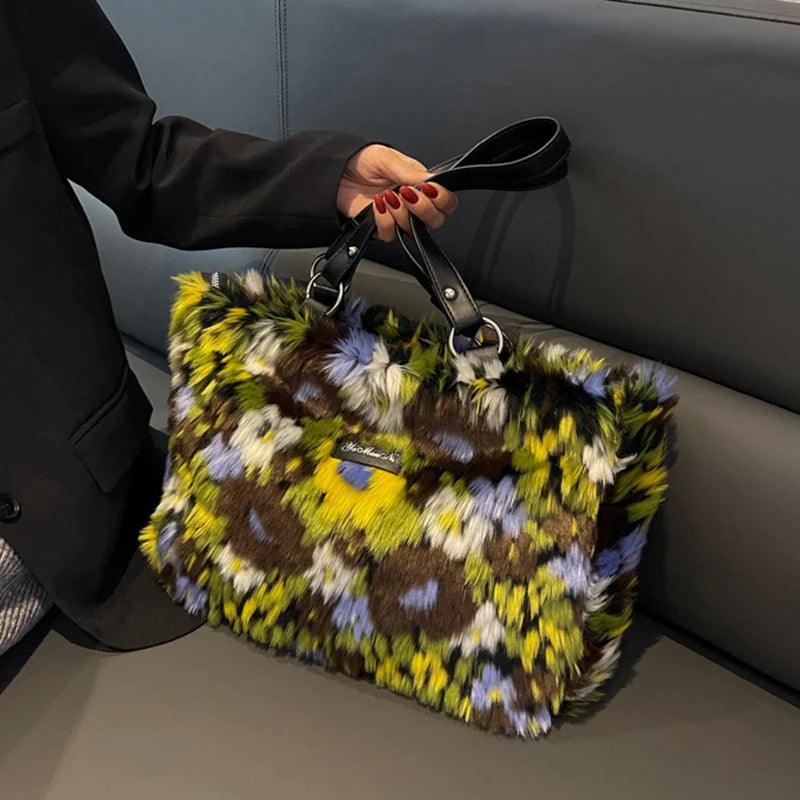
The world of bags is much richer than it appears at first glance. A bag is not merely an accessory meant to carry belongings, nor is it just a fashion item that completes an outfit. Throughout history, the bag has been a practical tool, a status symbol, a personal expression, part of social culture, and one of the most important accessories in the development of fashion. From the first pouches in the ancient world to modern women's bags in diverse designs, the bag has undergone a long journey that tells a story of changing times, society, personal taste, and lifestyle.
Today, when a woman chooses a bag, she chooses much more than a beautiful item. She chooses comfort, utility, style, material, size, carrying method, and feeling. One bag can convey elegance, another lightness, another naturalness, and a special bag can express creativity and personal character. This is why the world of bags continues to fascinate women of all ages and styles.
In the collections of Chic Avenue, you can find this connection between past and present: leather bags that continue a tradition of classic appearance, designer fabric bags that express daily utility, straw bags that take us back to natural materials, and knitted bags that add texture, softness, and character. In this guide, we will embark on a journey through the history, fashion, and culture of bags – and understand why the bag remains one of the most important and fascinating accessories in a woman's wardrobe.
The Beginning: The Bag as a Practical Tool
Before the bag became a fashion item, it was a solution to a very basic need: to carry things from one place to another. Humans needed to take food, seeds, small tools, coins, personal belongings, and goods with them. In ancient times, before convenient pockets or modern storage systems, pouches, purses, and baskets were an integral part of life.
The first materials were natural and readily available: leather, fabric, plant fibers, straw, wool, and ropes. Each culture used the materials available in its environment, thus creating different forms of bags. In this sense, the bag was born out of pure practicality – but from the very beginning, it also began to acquire a design character.
This connection between utility and natural material still exists today. Designer fabric bags, straw bags, and knitted bags remind us that a bag can be both practical and connected to material, touch, and a natural feel.
The Bag in the Ancient World
In the ancient world, bags and purses were used to carry coins, jewelry, religious objects, spices, and small tools. They were common among both men and women, especially in periods when clothes did not include pockets as we know them today. The bag was a useful item that was tied to the body, hung from a belt, or held in the hand.
Over time, even simple bags began to be adorned. Certain pouches were decorated with embroidery, beads, metals, or patterns. This marked the transition of the bag from a merely functional item to an item that said something about the person carrying it: status, personal taste, cultural belonging, or social role.
This idea still exists in the modern world. When you choose a leather crossbody bag, you convey a different message than when you choose a fabric crossbody bag. Both are useful, but each brings with it a different cultural and fashion language.
The Middle Ages and the Renaissance: The Bag as a Status Symbol
In the Middle Ages, small bags and purses were often tied to a belt. They were used to carry money, keys, prayer tools, and personal belongings. As society became more complex, bags also became a social marker. A simple pouch was used by the common person, while an ornate and elaborate pouch signified a higher status.
During the Renaissance, as clothing became richer and more decorated, bags also took on a clearer fashion role. They became integrated with the garment, the occasion, and the social standing. The bag was no longer just something to carry belongings in, but part of the entire outfit.
Even today, bags can convey status, taste, and style. A leather handbag or a leather evening bag provides an elegant and polished feel, while fabric or straw bags project lightness and naturalness. Every bag has a message.
The Connection Between the Bag and Femininity
One of the most interesting topics in the history of bags is their connection to women's fashion. For many periods, women's clothing did not include sufficiently practical pockets, and therefore women needed external bags to carry personal belongings. This need gradually became a central fashion accessory.
As women increasingly entered the public sphere, for work, study, and social events, their bags changed. They became larger, more practical, and more diverse. A bag was no longer just a small pouch, but an item that allowed for movement, independence, and comfort in daily life.
Today, this can be seen in collections like women's everyday bags, women's backpacks for studies, women's laptop crossbody bags, and women's designer laptop bags. All of these reflect the bag as part of women's modern lives.
The Bag in the Modern Era
The modern era has significantly changed the bag. Women work, study, travel, commute, go to events, and manage busy routines. Therefore, a bag needs to be more than a beautiful accessory; it needs to be an item that fits the pace of life.
A modern bag needs to answer practical questions: Is it comfortable to carry? Is it spacious enough? Is it suitable for work? Can it be taken for errands? Does it blend with different clothes? Does it fit both personal style and a real need?
This is why large bags have become very important again. A large fabric bag is suitable for a light and busy routine, while large leather bags are suitable for women who want both space and an elegant look. The modern bag is a combination of practicality and style.
Leather Bags: A Classic That Endures
Leather bags have held a central place in fashion culture for many years. Leather exudes elegance, stability, classicism, and presence. It is suitable for work, meetings, events, evening outings, and for women who appreciate a more structured and mature look.
The beauty of leather bags is that they are not dependent on a single trend. A good leather bag can remain relevant over time, blend with a wide range of clothes, and give any outfit a more polished feel.
For elegant daily wear, you can choose a leather crossbody bag. For a more classic look, a leather shoulder bag may be suitable. For events and evenings, a leather evening bag provides a feminine and precise finish.
Fabric Bags: Everyday Fashion
Fabric bags express another side of the bag world: comfort, lightness, and a more natural approach to fashion. They are suitable for women who appreciate an effortless look, daily use, and relaxed styles. A fabric bag can be paired with jeans, day dresses, sneakers, sandals, and basic tops.
Designer fabric bags prove that even an everyday bag can be full of style. It doesn't have to be formal to look good. On the contrary – sometimes it's the lighthearted look that gives an outfit the right character.
For women who are often on the go, a fabric crossbody bag can be a particularly comfortable solution. For example, a canvas fabric crossbody bag is suitable for a clean, comfortable, and practical everyday look.
Straw Bags: The Connection Between Nature, Summer, and Fashion
Straw bags are a beautiful example of the connection between fashion and natural materials. They evoke vacation, sun, sea, naturalness, and freedom. But in recent years, they are not only for the beach or summer, but also integrate into everyday urban looks.
Straw bags add a natural texture to an outfit. They can transform a simple dress into a summery look, soften an urban outfit, and bring a sense of freedom even to an ordinary day.
If you are looking for a spacious bag, a large straw bag can be suitable for vacations and long days. For lighter outings, a small straw bag will give a natural and delicate touch. For summer and the beach, you can also check out a summer straw bag and a beach straw bag.
Knitted Bags: Texture, Softness, and Character
Knitted bags represent the personal and unique side of the bag world. They bring with them a sense of handmade craftsmanship, soft texture, and a subtly bohemian look. A knitted bag can make a simple look much more interesting, even without strong colors or dramatic design.
Knitted bags are suitable for women who love items with character. They pair well with dresses, skirts, jeans, summer clothes, and natural looks. They don't look "ordinary," and therefore add a personal dimension to the outfit.
You can choose a knitted crossbody bag for everyday use, a knitted shoulder bag for a more feminine look, or a knitted handbag when you want a bag with a special presence.
The Bag as a Cultural Symbol
A bag is a cultural symbol because it reflects the era in which it was created. In periods when people moved from place to place for trade, the bag was a useful tool. In periods when social status was emphasized through clothing and accessories, the bag became a symbol of luxury. In the modern era, the bag has become a symbol of independence, movement, femininity, and personal choice.
Today, the bag also expresses a lifestyle. A woman who chooses a large bag projects practicality and presence. A woman who chooses a small bag projects minimalism and precision. A leather bag exudes elegance, a fabric bag exudes lightness, a straw bag exudes naturalness, and a knitted bag exudes creativity and character.
Therefore, when you choose a bag, you are not just choosing a product. You are choosing a small statement about yourself.
The Bag as Personal Expression
One of the things that makes the world of bags so fascinating is the fact that there is no single right choice. Every woman can choose a bag according to her personality. Some prefer clean and minimalist bags, some prefer large and spacious bags, some prefer straw and knitting, and some insist on an elegant leather bag.
The bag allows you to change your look without changing all your clothes. The same outfit can look everyday with a fabric bag, elegant with a leather bag, summery with a straw bag, and unique with a knitted bag. This is why bags are such a powerful styling tool.
If you want to build a bag wardrobe that expresses you, you can start with all products, get inspiration from new bags, see what's popular in bestsellers, or find great deals in bags on sale.
The Bag and the Transition Between Function and Art
One of the special things about bags is that they are precisely between function and art. On one hand, they need to be practical: to contain, to close, to be comfortable to carry, and to fit the routine. On the other hand, they are also design items: they have material, color, shape, texture, and presence.
A good bag manages to connect these two worlds. It is not only beautiful and not only practical – it is both together. This is why a bag can feel like a small work of art that you carry with you. It is not hung on a wall, but lives with you in your daily life.
A straw bag can look like natural woven craftsmanship. A knitted bag can look like a textile item full of soul. A leather bag can look like a classic and precise object. A fabric bag can bring everyday artistry. Every bag is a small world.
How to Choose a Bag That Connects History, Fashion, and Culture?
To choose the right bag, it's worth thinking not only about momentary beauty, but about the story it tells. Does it suit your lifestyle? Does it blend with your clothes? Is it comfortable? Does it convey the feeling you want? Is it suitable for real use?
If you want a classic bag, choose a leather bag. If you want an everyday and light bag, choose a fabric bag. If you want a natural and free look, a straw bag will suit you. If you want a bag with texture and character, a knitted bag could be the right choice.
The best choice is not the one that tries to be "most fashionable," but the one that feels right for you. A good bag is a bag that holds both utility and style, both comfort and a story.
Common Mistakes in Choosing a Bag
The first mistake is to choose a bag just because it's beautiful. A bag also needs to suit your use. The second mistake is to choose a bag based solely on a trend, without considering if it fits your wardrobe. The third mistake is to ignore the material – because material changes the entire character of the bag.
Another mistake is not thinking about the carrying method. A crossbody bag, shoulder bag, handbag, and backpack give a completely different feel. A beautiful bag that is uncomfortable to carry will not become a beloved bag. Therefore, it is important to choose a bag that suits both your body and your routine.
It's also advisable to avoid buying solely because of the price. Bags on sale can be a great opportunity, but only if the bag truly suits you.
Summary: The World of Bags is a World of Story, Style, and Utility
The fascinating world of bags connects history, fashion, and culture. It begins with a basic need to carry belongings, develops into a symbol of status and style, and in the modern era becomes one of the most personal and significant accessories in a woman's wardrobe.
Leather bags tell a story of elegance and classicism. Fabric bags tell a story of comfort and everyday life. Straw bags connect us to nature, summer, and freedom. Knitted bags bring softness, handmade craftsmanship, and personal character. Large bags speak of active lives, and small bags of precision and special moments.
In Chic Avenue's collections, you can find all these stories in one place: leather bags, designer fabric bags, straw bags, knitted bags, women's everyday bags, bags on sale, and more.
Ultimately, a bag is not just an accessory. It is part of how you move through the world, dress, organize yourself, and express yourself. And that is precisely what makes the world of bags so fascinating – it combines past and present, utility and fashion, and culture and personality.

