
Cart
0
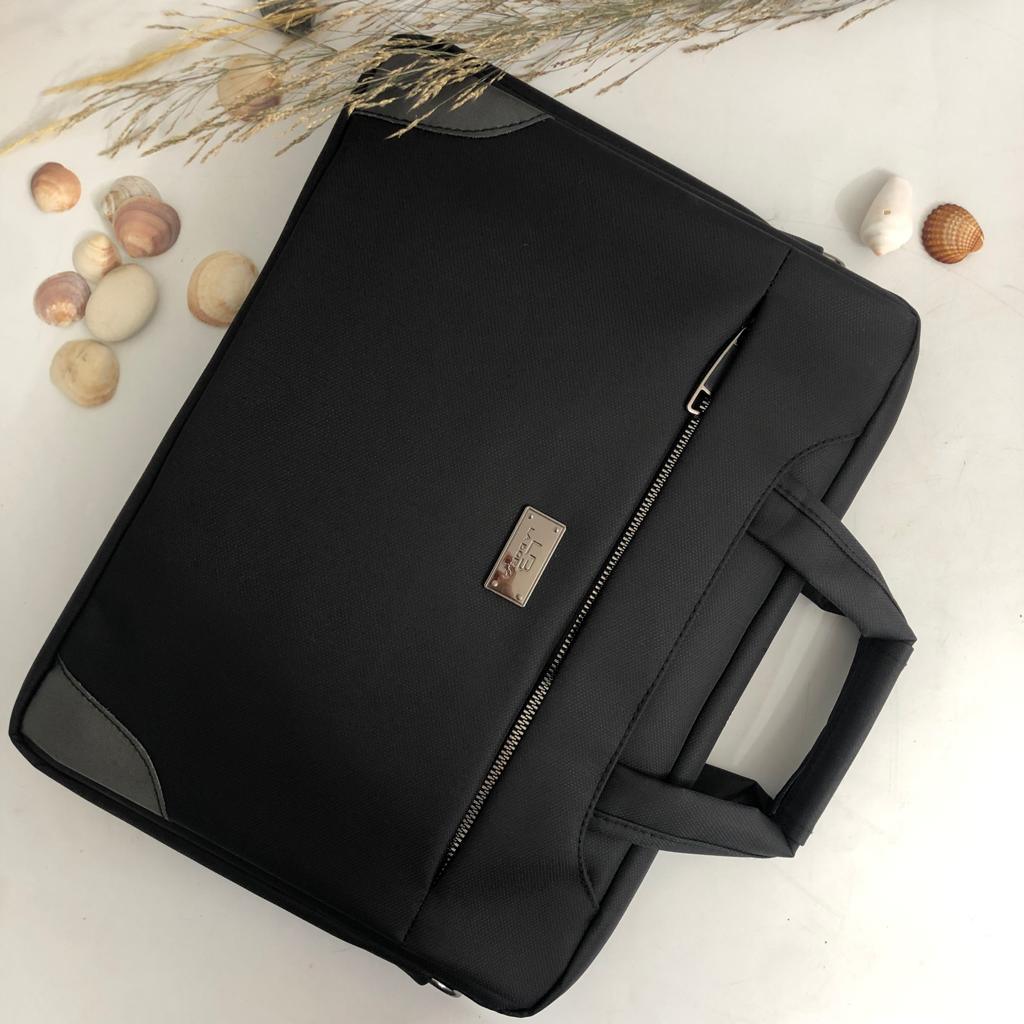
A good bag is an item that accompanies you for much longer than a single day. It goes with you to work, on errands, shopping, studies, events, vacations, and the small moments of your routine. Therefore, just as you invest in choosing a bag that suits your personal style, it is also important to know how to properly maintain it over time. Proper maintenance can help a bag stay beautiful, clean, tidy, and useful, even after prolonged use.
Many women buy a new bag, use it enthusiastically, but don't always know how to care for it. The result can be stains, loss of shape, worn straps, a dirty interior, material damaged by moisture, or a bag that looks tired too quickly. The good news is that most of these damages can be prevented with very simple habits.
In Chic Avenue's collections, you can find a wide range of women's bags: leather bags, designer fabric bags, straw bags, knitted bags, everyday bags, small bags, and large bags. Each type of bag has a different character, and therefore, maintenance should also match the material, use, and carrying style.
Why is bag maintenance so important?
A bag is an item that comes into daily contact with many factors: hands, tables, seats, cars, clothes, makeup, water bottles, pens, keys, dust, and moisture. Even if the bag appears high-quality and durable, improper use can cause it to wear out faster. Proper maintenance helps preserve the bag's shape, color, texture, and comfort.
Beyond its external appearance, proper maintenance also enhances the user experience. A clean and tidy bag feels more pleasant, it's easier to find things in it, and it blends better with your outfit. When the bag looks well-maintained, your entire look appears more polished.
This is especially true for bags in regular use, such as a women's everyday bag, shoulder bags, tote bags, and large bags. The more a bag is used, the more important it is to maintain it properly.
The first rule: don't overpack
One of the most common mistakes is to overload the bag. Even a large and spacious bag is not meant to carry everything without limit. Overloading can damage the straps, seams, the bag's shape, and carrying comfort. When a bag is too full, it also looks less elegant and less organized.
If you use a large bag from the large fabric bag or large leather bags collections, it's a good idea to periodically check what's actually inside. Often, receipts, wrappers, coins, duplicate items, and unnecessary items accumulate.
A simple habit of emptying the bag every few days can preserve it over time. It reduces weight, prevents clutter, and maintains the bag's structure. A bag that isn't overpacked also looks better on the body and feels more comfortable throughout the day.
How to maintain the bag's shape?
The bag's shape is a big part of its appearance. A bag that has lost its shape looks tired, even if it is still clean. To maintain its shape, it's important not to throw the bag into the closet, not to fold it sharply, and not to place other bags or heavy objects on it.
When the bag is not in use, it is advisable to gently stuff it with soft paper, clean cloth, or a light fabric bag. The goal is not to cram, but to provide internal support for the bag. This is especially important for structured bags, leather bags, evening bags, and large bags.
If it's a small bag like a small leather bag or a leather evening bag, it should be stored empty, clean, and with gentle support. If it's a soft fabric bag, like a small fabric bag, it's important not to fold it in a way that creates permanent marks.
Proper storage: The foundation for good maintenance
Proper storage is one of the most important things in maintaining bags. Even a bag not in use can be damaged if stored incorrectly. Humidity, direct sunlight, dust, and compression in a closet can damage the material, color, and shape.
The best way to store bags is in a dry, shaded, and ventilated place. It is not advisable to keep bags in sealed plastic bags, as they can trap moisture. It is better to use a breathable fabric bag or place the bags neatly on a shelf.
Delicate bags, such as straw bags or knitted bags, should be stored without pressure on them. A straw bag can become distorted if weight is placed on it, and a knitted bag can stretch if it hangs incorrectly for a long time.
How to clean a bag safely?
Before cleaning a bag, it's important to identify the material it's made from. You don't clean a leather bag the same way you clean a fabric bag, and you don't clean a straw bag the same way you clean a knitted bag. Using an unsuitable material can cause more damage than the stain itself.
The most important rule is to start gently. To remove dust, you can use a dry, soft cloth. If there is light dirt, you can gently wipe it with a slightly damp cloth, but not wet. It's important not to rub vigorously, not to use bleach, not to use alcohol, and not to use perfumed wipes that can leave marks.
If there's a stubborn stain, it's best not to try aggressive treatment immediately. Sometimes, too much force causes discoloration, wear, or damage to the texture. It's always better to test first in a small, hidden area, especially on delicate bags.
Leather bag maintenance
Leather bags exude elegance and a classic look, but they require delicate handling. Leather is sensitive to moisture, strong sunlight, high heat, and chemical substances. Therefore, it's not advisable to leave a leather bag in a hot car, near a window with direct sunlight, or in a humid place.
To maintain a leather bag, it should be cleaned periodically with a dry, soft cloth. If there's light dirt, you can use a slightly damp cloth and dry it immediately and gently. It's important not to wet the bag and not to rub it vigorously. Bags from collections like leather shoulder bag, leather tote bag, or leather handbag should be stored upright, with light internal support.
If the bag has a long strap, it's important not to fold it sharply during storage. Constant folding can create a mark. It's better to place the strap naturally inside the bag or alongside it.
Fabric bag maintenance
Fabric bags are a great choice for everyday use because they are light, comfortable, and less formal. But due to frequent use, they can get dirty faster. Therefore, it's important to keep them clean and prevent stains in advance.
Bags from the designer fabric bags collection or a fabric shoulder bag should be gently cleaned with a dry cloth or a soft brush. If there's a small stain, you can use a slightly damp cloth, but it's important not to wet the entire bag and not to rub hard.
For example, a bag like a canvas fabric shoulder bag can be suitable for daily use, but to keep it looking good over time, it's advisable to avoid placing it on the floor, not to overpack it, and to keep it in a clean place when not in use.
Straw bag maintenance
Straw bags give a natural, summery, and light look, but they require particularly delicate storage and care. Straw is a textured material, and therefore water, humidity, compression, and vigorous rubbing can damage its appearance.
To clean a straw bag, it is recommended to use a dry cloth or a soft brush. If there is localized dirt, you can gently wipe it with a slightly damp cloth and dry it immediately. It is not advisable to soak the bag in water or leave it in a humid place.
Bags from collections such as large straw bag, small straw bag, straw summer bag, or straw beach bag should be stored in a shaded and ventilated place. It is important not to cram them into a closet, as the pressure can change their shape.
Knitted bag maintenance
Knitted bags are very special items. They add texture, softness, and personal character to a look, but their knitted structure requires caution. Sharp objects, strong pulling, or excessive load can damage the knitting.
If you are using a bag from the knitted bags collection, it is advisable to avoid putting in exposed keys, items with sharp corners, or objects that might get caught in the threads. It is recommended to use a wallet or a small internal pouch to maintain order and protect the bag from the inside.
Bags like a knitted shoulder bag, knitted tote bag, or a knitted handbag should be stored without tension, not hanging for long periods with weight, and not placed under heavy objects.
How to prevent stains inside the bag?
The interior of a bag often gets dirty faster than the exterior. Makeup, pens, receipts, coins, a water bottle that wasn't closed properly, or a beauty product that accidentally opened can cause stains that are difficult to remove.
The simple solution is smart internal organization. Use a regular wallet for money and cards, a small pouch for makeup, a case for pens if you carry writing tools, and a designated spot for keys. The women's wallets collection can help maintain order inside your bag. If you like more unique items, you can also check out unique wallets for women.
The more organized the inside of the bag, the easier it is to keep it clean. In addition, it's easier to find things, and the bag feels more pleasant for daily use.
How to maintain straps and handles?
Straps and handles are among the hardest-working parts of a bag. They bear the weight, are in contact with hands and clothes, and sometimes wear out before the rest of the bag. Therefore, it's especially important to care for them.
First, don't overload the bag beyond what it's meant to carry. Constant strain damages the straps and connections. Second, when storing, don't fold the straps sharply. If it's a shoulder bag or cross-body bag, it's best to position the strap naturally.
For everyday bags like a fabric shoulder bag, leather shoulder bag, or a leather cross-body bag, it's especially important to pay attention to comfort and the condition of the strap, as it affects both the appearance and how it feels on the body.
How to care for bags by season?
In Israel, bags are exposed to a lot of sun, heat, dust, and humidity. Therefore, it's advisable to adapt use and storage to the season. In summer, it's important not to leave bags in a hot car or in direct sunlight. High heat can damage various materials and change the bag's shape.
In winter, pay attention to humidity and rain. Leather, straw, and knitted bags are particularly sensitive to moisture, so it's best to avoid getting them wet. If a bag gets slightly wet, it's recommended to dry it gently in a ventilated area, not near a direct heat source.
Seasonal bags like a straw summer bag or a knitted beach bag should be cleaned and stored neatly at the end of the season, so they are ready for use again in the next season.
How to maintain a bag you use every day?
An everyday bag requires a regular maintenance routine. If you use the same bag almost every day, it's a good idea to empty it once a week, wipe dust from the outside, check for internal stains, and reorganize your items. This takes little time but significantly preserves the bag.
A bag from the women's everyday bag collection is designed for frequent use, so it's important to keep it organized. If you switch between several bags, it's best to transfer only necessary items and not leave things in old bags.
A good habit is to keep a small "bag kit": a wallet, makeup pouch, keys, small charger, and basic items. This makes it easy to transfer things from bag to bag without forgetting items or creating clutter.
How to maintain bags for events?
Event bags, such as evening bags and small bags, are usually used less frequently. Precisely because of this, it is important to store them correctly. If an evening bag is left in a closet for months without protection, it can accumulate dust, lose its shape, or get scratched by other bags.
Before putting an evening bag back in the closet, it is advisable to completely empty it. Check that no lipstick, receipts, coins, or small items are left inside. Clean it gently from the outside, stuff it lightly if necessary, and store it in a protected place.
Bags from collections such as a leather evening bag, a small knitted bag, or a small straw bag should be stored in a way that protects their material and structure.
Common mistakes in bag maintenance
There are some recurring mistakes that can ruin a bag more quickly. The first mistake is placing the bag on the floor. The floor transfers dirt, dust, and moisture, and can also cause wear on the bottom of the bag.
The second mistake is using harsh cleaning products. Bleach, alcohol, perfumed wipes, and unsuitable cleaning agents can damage the color and material. The third mistake is overpacking. Even a large bag has its limits.
The fourth mistake is improper storage: cramming into a closet, folding, stacking bags on top of each other, or keeping them in a sealed plastic bag. The fifth mistake is not emptying the bag. Items left inside for a long time can create stains, odors, or distortion of shape.
When should you replace a bag?
Even with good maintenance, sometimes it's time for something new. If the bag has significantly lost its shape, if the straps are worn out, if there are stubborn stains, or if it no longer suits your lifestyle, it might be time to choose a new bag.
Before buying a new bag, it's worth learning from the previous one. Was it too small? Too big? Uncomfortable? Too sensitive to dirt? Didn't match most of your clothes? This way, the next choice will be more accurate.
You can start with collections like new bags, best sellers, or bags on sale, and choose a bag that truly fits your use.
How to build a simple maintenance routine?
Bag maintenance doesn't have to be complicated. You can build a very simple routine: once a week, empty your everyday bag, wipe dust from the outside, check for internal stains, and reorganize your items. Once a month, check all the bags in your closet, making sure they are stored correctly and that no bags have been crushed or soiled.
At the end of each season, it's a good idea to clean and store seasonal bags. For example, straw bags and beach bags after the summer, or evening bags after a period of events. When bags are stored neatly, it's much easier to use them again when needed.
These small habits can preserve your bags over time, save unnecessary purchases, and make every bag look more well-groomed every time you leave the house.
Summary: Proper maintenance keeps your bag and your style intact
Bag maintenance is an important part of maintaining a smart and well-kept wardrobe. A beautiful bag can remain beautiful over time if used correctly, cleaned gently, stored properly, and not overloaded beyond what is necessary. Each material requires slightly different treatment, but the principle is always similar: gentleness, order, and prevention.
Leather bags need protection from moisture and strong sunlight. Fabric bags need gentle cleaning and protection from dirt. Straw bags need a ventilated place and no compression. Knitted bags need protection from snags and sharp objects. Large bags need weight control, and small bags need proper storage to maintain their shape.
In Chic Avenue's collections, you can find a wide range of bags suitable for every style and use: leather bags, designer fabric bags, straw bags, knitted bags, women's everyday bags, and more.
Ultimately, a bag is not just an item you carry. It's part of your routine, your appearance, and your personal feeling. When you care for it properly, it continues to serve you, compliment you, and add style to your every day.

